
- 01Why the Jack the Ripper Murder Sites Matter
- 02Durward Street (Buck's Row) — Mary Ann Nichols
- What is there today
- 03Hanbury Street — Annie Chapman
- What is there today
- 04Henriques Street (Berner Street) — Elizabeth Stride
- What is there today
- 05Mitre Square — Catherine Eddowes
- What is there today
- 06Dorset Street (site of Miller's Court) — Mary Jane Kelly
- What is there today
- 07What Survives from 1888
- 08How Close the Jack the Ripper Locations Really Are
- 09Final London Insiders Tip
The real Jack the Ripper murder sites sit within less than a square mile of Whitechapel and Spitalfields in London's East End. Most of the buildings where the murders took place in 1888 have long since been demolished. Streets have been renamed. Entire blocks have been rebuilt. Yet the locations remain — and walking between them reveals something maps never quite capture: how close together everything really was.
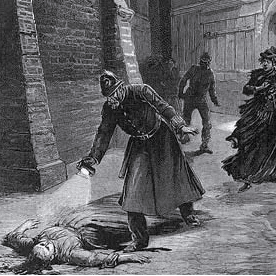
This guide covers the real locations of the canonical five murders, what still survives from Victorian Whitechapel, and what has changed. For the full story in context, our Jack the Ripper Timeline explains the murders in order. And if you'd rather explore the streets with expert storytelling, you can join our Jack the Ripper Free Walking Tour.
Why the Jack the Ripper Murder Sites Matter
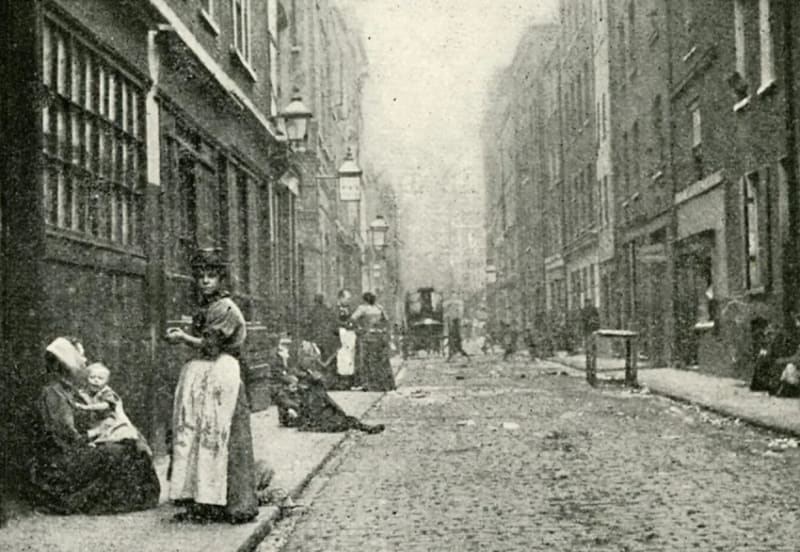
Geography shaped this case. The murder locations cluster tightly around Whitechapel High Street, Commercial Street, and the maze of narrow alleyways connecting them. These were crowded, working-class streets filled with lodging houses, markets, sweatshops, and pubs. After dark, they were poorly lit and difficult to police. Understanding where each murder took place helps explain how the killer moved unseen, why jurisdictional boundaries mattered, and why he was never caught. Most of the Whitechapel murder sites can still be visited today. Some streets look surprisingly similar to old photographs. Others are completely unrecognisable. But the distances between them have not changed — and that is what makes walking the route so powerful.

Durward Street (Buck's Row) — Mary Ann Nichols
31 August 1888
Mary Ann Nichols was found at approximately 3:40am on Buck's Row, now Durward Street. Her body lay on the pavement near the entrance to a stable yard. In 1888 this was a dark, narrow street on the edge of Whitechapel — close enough to main roads for someone to blend into early morning traffic, yet quiet enough in the early hours to go unnoticed. This was the first of the canonical five Jack the Ripper murder sites and it set the pattern for what followed.
What is there today
Durward Street still exists, though the surrounding buildings have changed. The old Board School that towered over the street in 1888 survives, now converted into flats. Its scale gives you a sense of the Victorian architecture that once dominated the area. The exact murder spot is unmarked — now modern housing and a small parking area. There is no plaque, no memorial. You would walk past without knowing unless you came looking for it.
Nearest station: Whitechapel (Elizabeth Line, District, Hammersmith & City). Walk east along Whitechapel Road, turn left onto Brady Street, then right onto Durward Street.
Hanbury Street — Annie Chapman
8 September 1888
Annie Chapman was killed in the backyard of 29 Hanbury Street at approximately 6:00am. The yard was accessed via a narrow passage through the house. Residents were asleep just metres away while the murder took place. The proximity to so many people makes this one of the most unsettling locations on the route. Hanbury Street in 1888 was packed with small workshops, tailors, and overcrowded housing.
What is there today
The original building at 29 Hanbury Street no longer exists. A brewery building stood on the site for decades and has since been replaced by modern development. The south side of Hanbury Street retains some original Victorian buildings, giving a sense of what the north side would have looked like. Nearby, Christ Church Spitalfields still dominates the skyline just as it did in 1888. Chapman would have seen that white tower daily.
Nearest station: Aldgate East or Liverpool Street. Hanbury Street runs between Commercial Street and Brick Lane. The murder site was roughly midway along the north side.
Henriques Street (Berner Street) — Elizabeth Stride
30 September 1888
Elizabeth Stride was found at approximately 1:00am in Dutfield's Yard, off Berner Street (now Henriques Street). The yard sat beside the International Working Men's Educational Club. Louis Diemschutz drove his cart into the yard and his horse shied. When he struck a match to see what was blocking the way, he discovered Stride's body. Unlike the other canonical five victims, Stride's throat had been cut but there were no abdominal mutilations. Many historians believe the killer was interrupted — possibly by Diemschutz's arrival — and fled before he could continue. This makes Berner Street one of the most debated locations in the case.
What is there today
Nothing remains of Berner Street as it was in 1888. The site of Dutfield's Yard is now a school playground. Children play where the murder took place — a stark reminder of how cities evolve. Without historical knowledge, you would never identify this as one of the Whitechapel murder sites.
Nearest station: Aldgate East. Henriques Street runs south from Commercial Road. The murder site was near Fairclough Street.
Mitre Square — Catherine Eddowes
30 September 1888
Catherine Eddowes was murdered at approximately 1:45am in Mitre Square — just 45 minutes after Elizabeth Stride. Mitre Square lay within the City of London, under a different police force from the Metropolitan Police that covered Whitechapel. This jurisdictional boundary complicated the investigation and may have helped the killer evade capture. The square was small and enclosed by warehouses. A constable had passed through at 1:30am and seen nothing. When he returned fifteen minutes later, Eddowes was dead. This was the second of the Double Event murders — one of the most chilling aspects of the Jack the Ripper timeline.
What is there today
Mitre Square still exists but has been rebuilt. Modern office blocks surround a small open space. The layout is slightly altered, but the square's compact size is still evident. Nearby, Wentworth Model Dwellings on Goulston Street survives from the era — it was near here that a piece of Eddowes' apron was found along with the infamous chalked message that police erased before dawn.
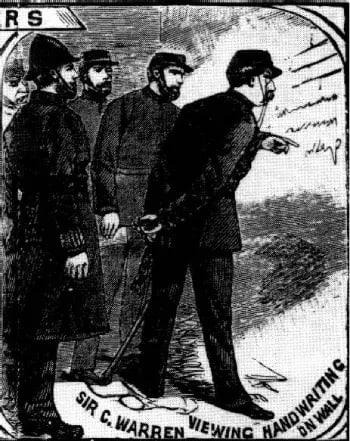
Nearest station: Aldgate. Mitre Square sits just off Aldgate High Street.
Dorset Street (site of Miller's Court) — Mary Jane Kelly
9 November 1888
Mary Jane Kelly was killed inside her room at 13 Miller's Court, off Dorset Street. Unlike the other Jack the Ripper murder sites, this crime took place indoors. Dorset Street was widely described at the time as one of the most dangerous streets in London — overcrowded, impoverished, and dominated by lodging houses. Miller's Court was a narrow passage leading to small rented rooms. The privacy of the space allowed the killer time he had never previously had, and the injuries were the most extreme of the entire series. After Kelly's murder, the killings stopped.
What is there today
Dorset Street no longer exists. The entire area was demolished decades ago and replaced by commercial development. A car park now sits where Miller's Court once stood. There is no marker, no plaque. The locations connected to Mary Jane Kelly have been completely erased from the physical landscape.
Nearest station: Liverpool Street. The site lies on the east side of Commercial Street, near Brushfield Street.
What Survives from 1888
While most of the actual murder sites have been demolished, several buildings and locations connected to the Whitechapel murders still exist. Christ Church Spitalfields — the soaring white tower dominated the area in 1888 and still does today. The Ten Bells pub on Commercial Street, linked to both Annie Chapman and Mary Jane Kelly, still operates. Gunthorpe Street (formerly George Yard) is still cobbled and accessible through the same archway as in 1888. Wentworth Model Dwellings on Goulston Street survives from the era. The Royal London Hospital on Whitechapel High Street, where Emma Smith died and Dr Openshaw worked during the investigation, remains in operation. These buildings anchor the area's history. Walking between them gives a sense of the environment in which the murders occurred.
How Close the Jack the Ripper Locations Really Are
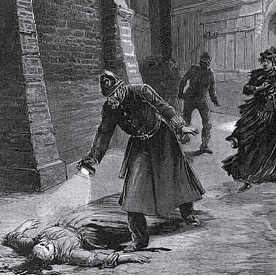
One of the most striking things about the murder sites is their proximity. You can walk from Durward Street to the former site of Miller's Court in under 20 minutes. All five canonical murder sites sit within less than a square mile. That tight clustering suggests deep familiarity with Whitechapel's streets, the confidence to navigate side streets quickly, and the ability to disappear fast. Maps show distance. Walking the route shows how compressed the geography truly was.
Final London Insiders Tip
Reading about the real Jack the Ripper locations is one thing. Standing in Whitechapel is something else entirely. The distances feel smaller. The streets feel narrower. The context becomes clearer. If this guide has sparked your interest, our Jack the Ripper Free Walking Tour explores the area with the historical depth and local insight that makes the geography make sense.
Yes. All five canonical Jack the Ripper murder sites are accessible in Whitechapel and Spitalfields. Most original buildings have been demolished, but the locations remain walkable and clearly identifiable with historical knowledge.
The five canonical murder sites are: Durward Street (formerly Buck's Row), Hanbury Street, Henriques Street (formerly Berner Street), Mitre Square, and the site of Dorset Street (now a car park on Commercial Street). All lie within less than one square mile of each other in London's East End.
Several Victorian structures connected to the case still stand: Christ Church Spitalfields, the Ten Bells pub, Gunthorpe Street (still cobbled), Wentworth Model Dwellings, and the Royal London Hospital. These surviving landmarks help anchor the case in physical space.
The Jack the Ripper murder sites are extremely close together. You can walk between all five canonical locations in around 45 to 60 minutes. The tight geography suggests the killer had intimate knowledge of Whitechapel's streets and back alleys, which likely contributed to his ability to escape undetected.
There are no large official memorials marking the canonical five sites. However, a small memorial plaque for Catherine Eddowes can be found in Mitre Square, close to where her body was discovered.


