
- 01Morning: Royal Westminster (8:30am–12:00pm)
- 8:30am — Buckingham Palace
- 9:15am — Changing of the Guard (Optional)
- 9:30am — St James's Park
- 10:30am — Horse Guards Parade
- 02Midday: Political Westminster (12:00pm–2:30pm)
- 12:00pm — Whitehall and Downing Street
- 12:30pm — Lunch
- 1:30pm — Parliament Square
- 03Afternoon: Historic Westminster (2:30pm–5:00pm)
- 2:30pm — Houses of Parliament and Big Ben
- 3:30pm — Westminster Abbey
- 4:30pm — Optional Hidden Stops
- 04Evening: Wind Down (5:00pm–6:00pm)
- 05Practical Tips
Westminster packs more history into a single square mile than almost anywhere in Britain. In one day you can cover the seat of the monarchy, the home of Parliament, the site of every coronation since 1066, and a handful of genuinely lesser-known places that most visitors walk straight past. This itinerary runs from around 8:30am to 6pm, covers roughly three to four kilometres on foot, and includes practical advice on timing, what to skip and where to eat.
For more detail on the major sights, our guides to Buckingham Palace, the Houses of Parliament, and the best things to see in Westminster all cover the individual stories. If you want a guided walk through the same ground, our Westminster Free Walking Tour runs daily at 10am.
Morning: Royal Westminster (8:30am–12:00pm)
8:30am — Buckingham Palace
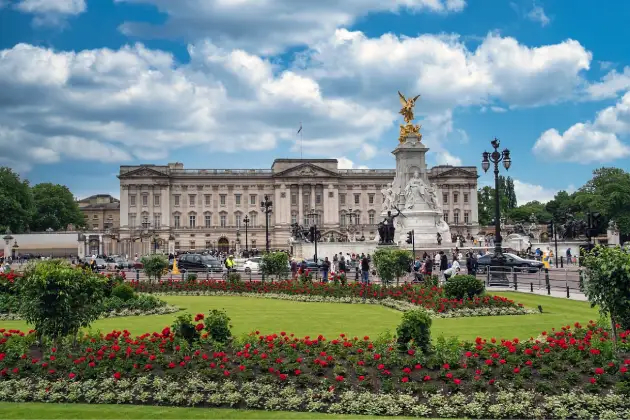
Starting early means lighter crowds and better photographic access. Before you do anything else, look at the flagpole: the Royal Standard means the King is in residence; the Union Jack means he is away. This is a detail that most visitors miss. The palace began as a private townhouse for the Duke of Buckingham and was transformed into the monarchy's ceremonial centre only gradually. The full story is in our Buckingham Palace guide.
Allow 30 to 45 minutes here. You do not need to pay to walk around the exterior.
9:15am — Changing of the Guard (Optional)
If Changing of the Guard is on your list, the correct viewing position is not the front of Buckingham Palace — it is St James's Palace on the Mall, where the procession arrives. You get closer views, less crowding, and clearer audio. The ceremony's key moment happens around 11:42am with the handover at St James's. If you want to catch it, factor the timing into the rest of your morning.
Arrive at St James's Palace by 11:30am to secure a good spot. You can get within a few metres of the guards here, which is impossible at Buckingham Palace — and the ceremony feels entirely different up close.
9:30am — St James's Park
St James's Park is one of the Royal Parks and sits between Buckingham Palace and Horse Guards. Walk through it rather than around it. The pelicans have been resident here since 1664, when a Russian ambassador gifted them to King Charles II. The Blue Bridge crossing offers one of the best views in Westminster: Whitehall framed by trees and water, particularly good in morning light. The café in the park is a reasonable coffee stop.
The view from the Blue Bridge — Whitehall framed by trees with the lake in the foreground — is one of the best photographs in Westminster that most guides never mention. Stop for it.
Allow 30 to 45 minutes.
10:30am — Horse Guards Parade
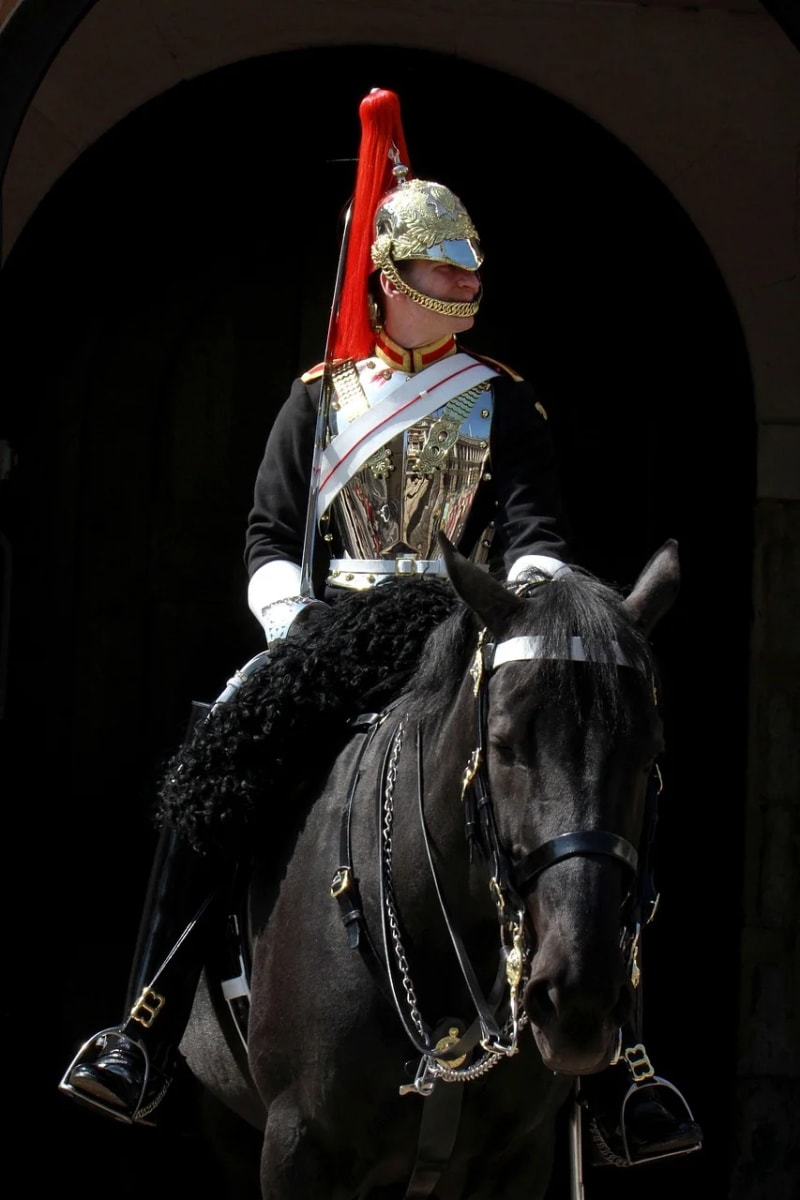
Horse Guards Parade is the ceremonial square where royal events and state occasions are held. The mounted guards in front of the building are there on duty — the white painted boxes on the ground mark their positions and should not be crossed. The archway beneath the Horse Guards building is historically the official ceremonial entrance connecting St James's Palace and Buckingham Palace, a detail that almost no one is told. Allow 15 to 20 minutes.
Midday: Political Westminster (12:00pm–2:30pm)
12:00pm — Whitehall and Downing Street
Walking south along Whitehall takes you past the buildings that have housed the machinery of British government for centuries. Downing Street itself is gated and not accessible beyond the gate, but standing outside gives you a sense of the extraordinary concentration of political power packed into a few hundred metres. The Cenotaph, the national war memorial, stands in the middle of Whitehall and is worth pausing at. Allow 15 to 20 minutes.
12:30pm — Lunch
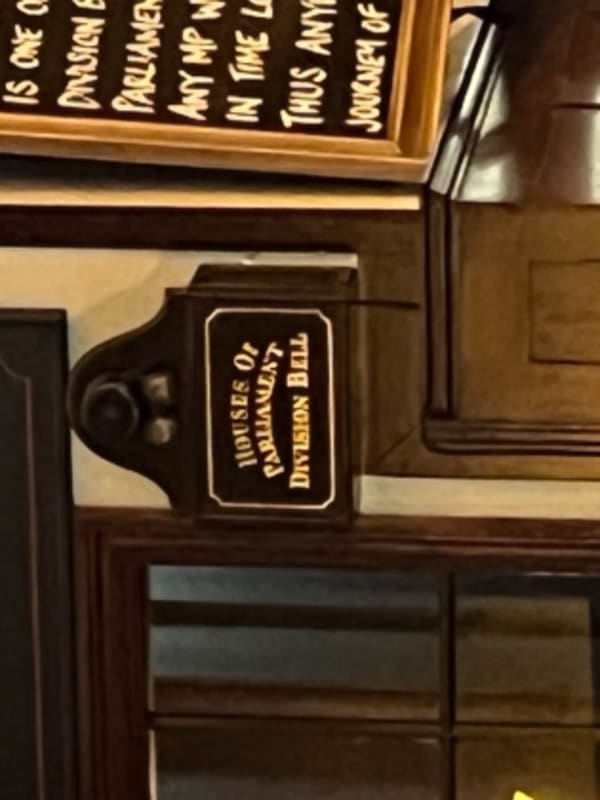
After three hours of walking, eat. Three reliable options: the Westminster Arms on Storey's Gate is a historic pub that housed a division bell connected directly to Parliament, so MPs could be in the pub and still make it back for a vote — the bell no longer rings, but the pub is still there. The Red Lion on Derby Gate is another historic parliamentary pub with more character than most. Strutton Ground Market on Victoria Street runs Monday to Saturday with street food and fresh produce and has been here since the 1920s. Allow 45 minutes to an hour.
1:30pm — Parliament Square
Parliament Square is surrounded by some of the most significant buildings in Britain, but the square itself is also worth a look. The statues include Millicent Garrett Fawcett — the first woman to be honoured with a statue in Parliament Square, recognising her leadership of the peaceful women's suffrage movement. The inscription on the base reads "Courage calls to courage everywhere." Allow 10 to 15 minutes.
Afternoon: Historic Westminster (2:30pm–5:00pm)
2:30pm — Houses of Parliament and Big Ben
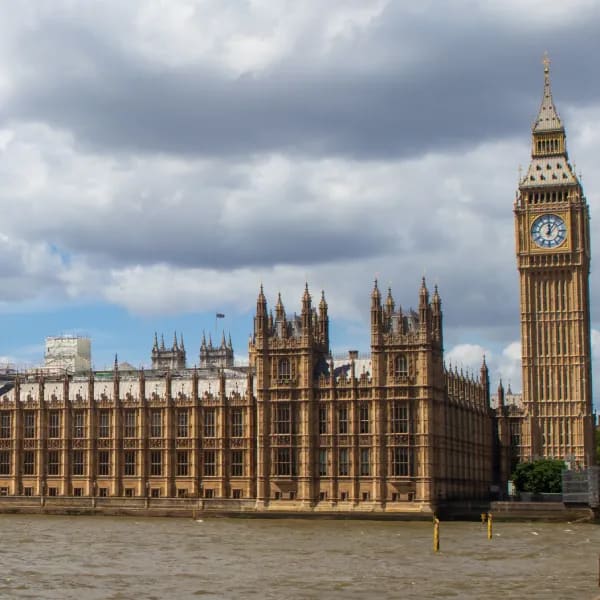
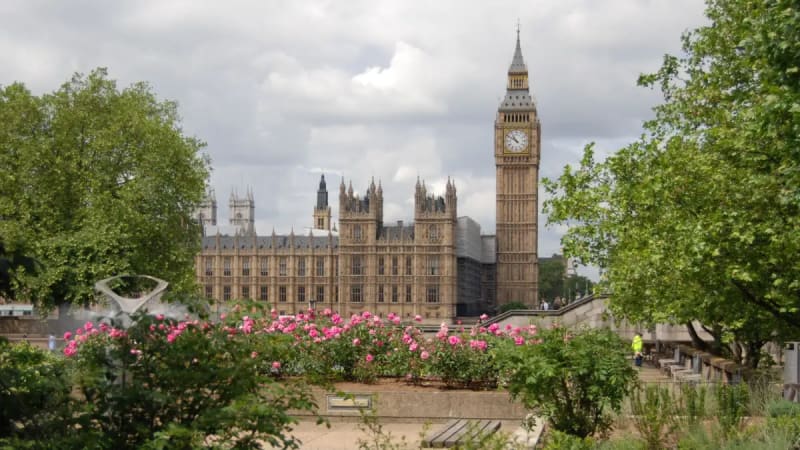
The Palace of Westminster houses both the House of Commons and the House of Lords. The gothic-revival buildings you see today mostly date from the nineteenth century — the original medieval palace was largely destroyed in a fire in 1834, started by burning tally sticks in stoves beneath the House of Lords. The Elizabeth Tower, universally called Big Ben, takes its common name from the bell inside it, not the tower. You can attend a public debate in the House of Commons or House of Lords for free by queuing at the entrance — no ticket required. Our Houses of Parliament guide covers the history in full. Allow 30 to 45 minutes.
The best photography position for Big Ben is not Parliament Square — it's from the south side of Westminster Bridge, where you can catch the tower reflected in the Thames. Go in the late afternoon when the light hits the stonework from the west.
3:30pm — Westminster Abbey
Westminster Abbey has hosted every coronation since 1066 and contains the tombs of seventeen monarchs. Interior features include the Coronation Chair, Poets' Corner (Dickens, Chaucer, Hardy), and memorials to Newton and Darwin. Interior visits take 1.5 to 2 hours and cost approximately £25 to £30 for adults — book ahead during peak periods. If you choose not to go inside, the exterior itself is architecturally extraordinary and worth 15 to 20 minutes of close attention. Allow as much time as fits your schedule.
4:30pm — Optional Hidden Stops
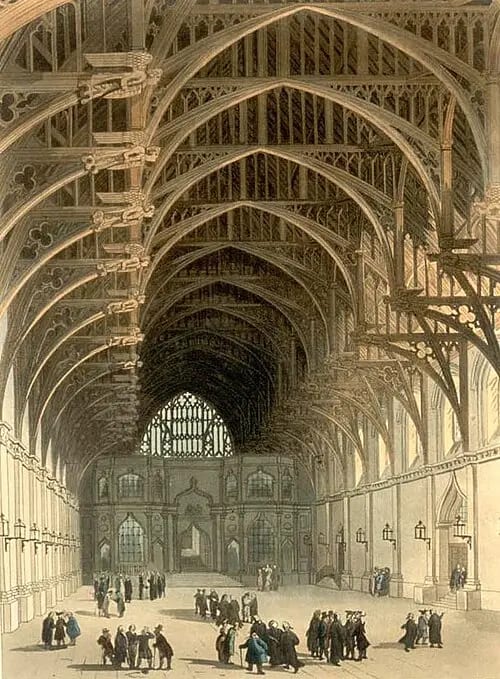
Westminster Hall: Built in 1097, this is the oldest surviving part of the Palace of Westminster. It survived the 1834 fire and survived the Blitz. William Wallace, Thomas More and Charles I were all tried here. Entry is free when Parliament is in session. It is one of the most important rooms in British history and most visitors walk straight past the entrance.
Jewel Tower: Built in 1365 to house Edward III's personal treasures, this small medieval tower stands directly opposite Westminster Abbey. Entry costs around £6 and the visit takes 20 to 30 minutes.
Evening: Wind Down (5:00pm–6:00pm)
Two good options for ending the day. For a riverside walk, cross Westminster Bridge to the South Bank and walk east — the view back toward Parliament and Big Ben from the south side of the river is one of the best in London and gets better in late afternoon light. For something different, the Leake Street Graffiti Tunnel beneath Waterloo Station is a 300-metre legal street art zone with constantly changing murals. From there, Lower Marsh has independent restaurants, cafés and bars if you are continuing into the evening.
Practical Tips
Starting at 8:30am gives you quieter streets and better photography at Buckingham Palace before the day crowds arrive. Westminster Abbey and the Buckingham Palace State Rooms (summer only) both require advance booking. The route is mostly flat and accessible throughout. The best single photo spot in Westminster is the south side of Westminster Bridge for the Big Ben reflection — best in the afternoon or at sunset.

